The Power of Pausing: How Slowing Down Keeps You in Control
THE PATH TO POWER SERIES - ISSUE 11
A Biweekly Self-Defense Micro-Lesson with Lisa Davis
U.S. Marine Veteran | Former Police Officer | Self-Defense Instructor
What the Power of Pausing Means in Self-Defense
In self-defense, one of the most underrated yet powerful skills you can develop is the ability to pause before you respond. This moment—sometimes only a second or two—gives your brain the space to assess what’s happening, choose your response, and avoid reacting out of fear, confusion, or social pressure.
Pausing is not hesitation.
Pausing is control.
Pausing isn’t freezing.
When an assault is imminent, fast, decisive action is the right move—there’s no hesitation in self-defense. The pause I’m talking about happens before that moment, when you still have space to breathe, observe, and choose how you respond. A brief pause can calm your nervous system, sharpen your awareness, and keep panic from taking over—so if action becomes necessary, it’s purposeful, not reactive.
In real-world self-defense, most people get into trouble because they:
- respond too fast
- ignore discomfort
- try to be polite
- let someone else dictate the pace of the interaction
The pause breaks that pattern.
It allows you to step into your power, awareness, and choice.
This skill is for anyone who wants to feel more grounded, less reactive, and more in charge of their decisions—especially in moments that feel uncertain or uncomfortable.
Real-Life Situations Where Pausing Changes Everything
You experience dozens of moments each week where a pause could shift the entire direction of an interaction.
Here are real-world scenarios where the power of pausing becomes a safety tool:
• When someone approaches you unexpectedly
Even if they seem friendly, a 1–2 second pause lets your brain assess their intention.
• When someone asks you for something that feels off
A ride, a favor, a conversation — pausing interrupts their momentum and gives you clarity.
• When you sense pressure to agree quickly
Aggressors and manipulative people often rely on speed to override your instincts.
• When you feel uncomfortable but can’t explain why
A pause gives your instinct room to speak.
• When someone moves into your personal space
Pausing helps you decide:
Do I step back?
Do I raise my hands?
Do I speak?
• When someone touches you without permission
A brief pause can prevent freezing and help you respond intentionally. That moment of grounding allows your reaction to be clear, controlled, and effective
• When conflict escalates suddenly
A pause breaks the emotional spike and allows you to see your exits, your space, and your options.
In policing and in the military, we were trained to use the pause deliberately — not as weakness, but as strategy.
A pause helps you see the whole picture.
It slows down the situation so you, not the other person, control the tempo.
How to Use the Pause (And What Most People Get Wrong)
Pausing is a physical, mental, and emotional skill. The goal is to create a micro-moment of awareness before you commit to an action.
Here’s how to do it:
✔ 1. Stop your movement
Freeze your body for one beat.
Just enough to notice what’s happening.
✔ 2. Take one breath
A steady inhale or a slow exhale activates your prefrontal cortex — the part of your brain that makes decisions. This prevents panic-driven choices.
✔ 3. Notice the situation
In that brief pause, ask yourself:
- Does this feel safe?
- Do I want this interaction?
- Do I feel pressure?
- Are they too close?
- Do I need space?
This takes less than two seconds.

✔ 4. Choose your response
Your choices include:
- stepping back,
- raising your hands,
- saying “No,”
- redirecting,
- walking away,
- preparing to defend yourself,
- or continuing if it feels safe.
Pausing gives you options.
Options give you power.
Common Mistakes People Make
Most people do not pause. They:
- respond automatically to be polite
- override their instincts
- feel pressured to answer quickly
- feel obligated to engage
- freeze instead of pausing
- rush into explanations
- react emotionally instead of strategically
- fear sounding rude or suspicious
The biggest misunderstanding is this:
People think pausing will make them look unsure.
In reality, pausing makes you look confident, aware, and in control.
When you slow down, you change the energy of the interaction — and many uncomfortable situations end right there.
Why Pausing Before You Respond Changes Real-World Outcomes
This single skill improves your safety and confidence in powerful ways:
• Pausing interrupts manipulation
People who intend harm often rely on speed. Your pause disrupts their momentum.
• Pausing activates your instincts
When you slow the moment down, your instincts get louder and clearer.
• Pausing prevents the freeze response
Freeze happens when your brain is overwhelmed. Pausing creates space, breaking the freeze before it starts.
• Pausing improves your voice and boundaries
A person who pauses speaks with more authority and clarity.
• Pausing gives you time to step into your stance
Even a half-step back or lifting your hands changes your readiness. (issue 1 or 7)
• Pausing signals confidence
Your body language communicates:
“I’m not rushing. I’m assessing.”
• Pausing helps you make smarter decisions
You’re less likely to get pulled into someone else’s intentions.
• Pausing can stop escalation
When you control the tempo, emotions stay lower.
You respond, not react.
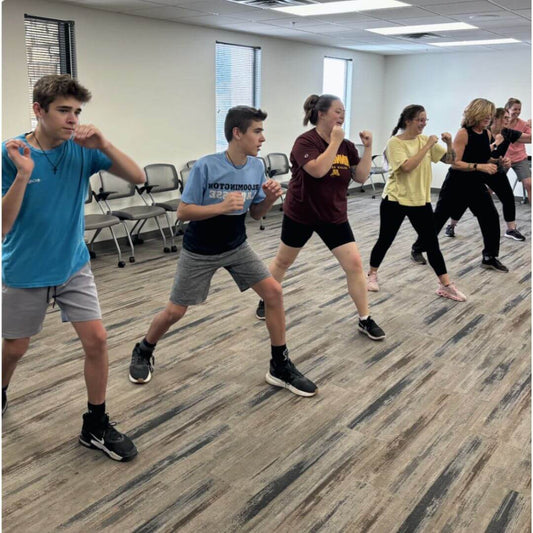
I’ve watched thousands of students transform their safety just by learning to pause. It gives people their power back in a world that constantly tries to rush them.
Try This Today — The 2-Second Pause Drill
This drill trains your brain to pause even when surprised.
The Intentional Pause Practice
- Stand comfortably with hands relaxed.
- Imagine someone approaching or speaking to you unexpectedly.
- Take a quiet breath.
-
Ask yourself:
“What do I want next?” -
Then practice one of these responses:

- Step back
- Lift your hands
- Say “No”
- Turn your body
- Walk away
- Continue calmly
Repeat 5–10 times.
This drill builds a powerful habit:
Don’t rush.
Don’t react.
Pause. Then choose.
How the Pause Connects to Your Self-Defense Training
The pause is the bridge between your awareness and your action. It strengthens everything you’ve learned so far.
• It pairs with your instincts
A pause makes room for intuition.
• It enhances your presence
Calm, intentional pauses increase your confidence and visibility.
• It strengthens verbal boundaries
Your voice becomes clearer when you’re not rushed.
• It supports your physical stance
A pause gives you time to ground your feet and lift your hands.
• It improves your ability to scan your surroundings
That second of quiet allows you to see exits, distance, and movement.
• It works with every strike and escape
If you must defend yourself, the pause gives your body time to prepare.
• It empowers your decision-making
You choose your response — you are not swept into someone else’s agenda.
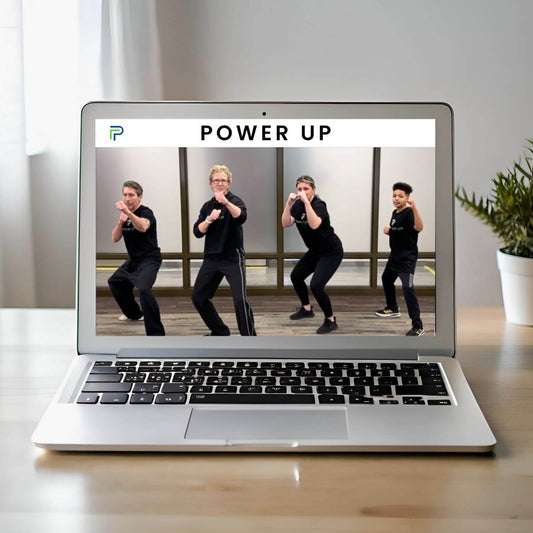
In my online self-defense course, the pause is part of our decision-making system. Students learn to combine awareness, stance, voice, and physical skills so they respond with control instead of panic.
If you want to learn how the pause fits into a full real-world self-defense strategy — including strikes, escapes, and boundary-setting — you can find the complete program at: PowerUpWithLisa.com.